

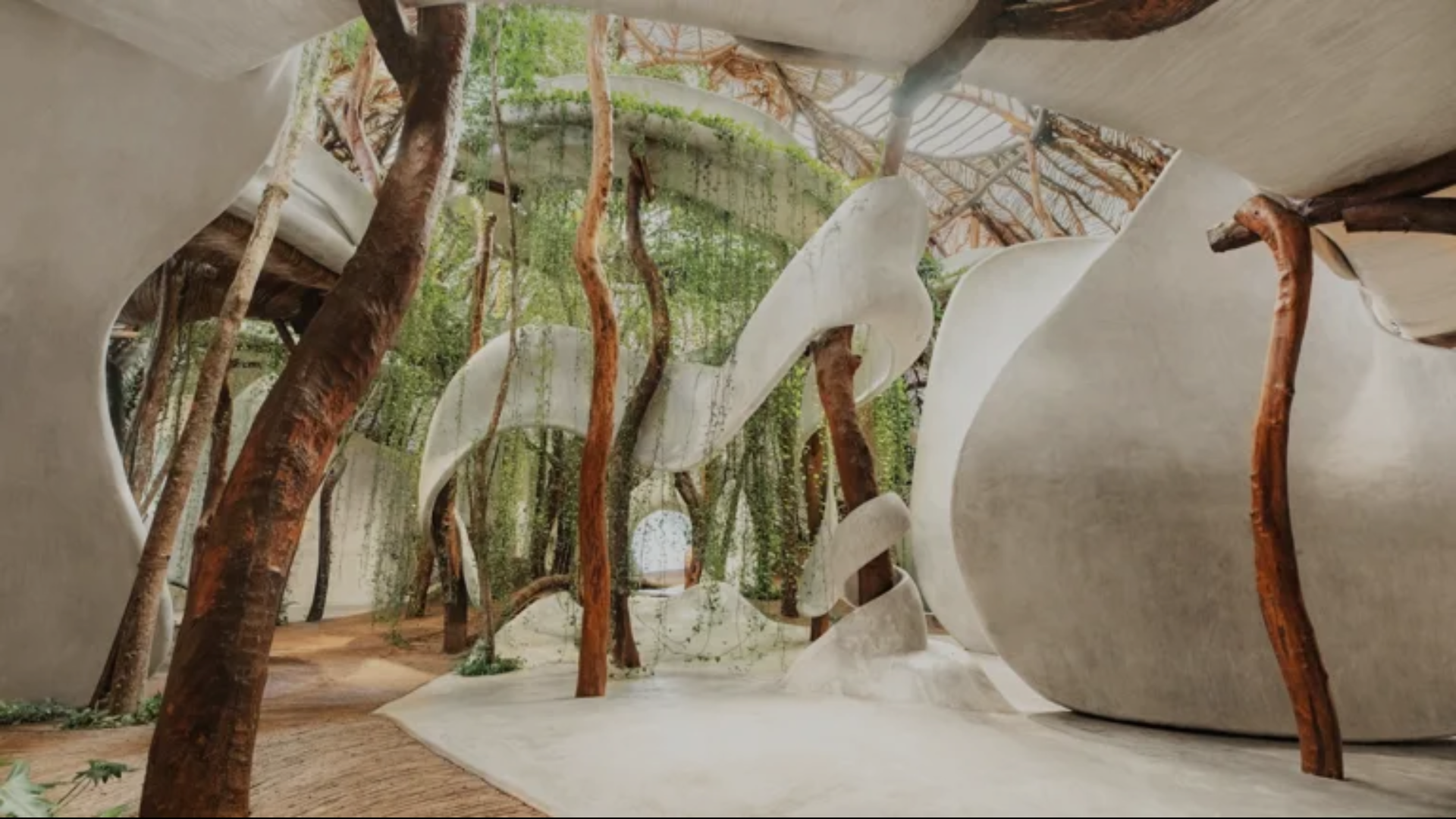
Biophilic Design in Architecture: Reconnecting with Nature
In an era dominated by urbanization and technology, the desire to reconnect with nature has never been more urgent. This longing is not just emotional or aesthetic—it is rooted in biology. Biophilic design, an emerging approach in architecture and urban planning, addresses this intrinsic human need by integrating natural elements into the built environment. It goes beyond mere aesthetics to foster improved well-being, productivity, and environmental harmony. As sustainability and human-centric design become cornerstones of modern architecture, biophilic design is shaping how we think about and interact with the spaces we inhabit.
What is Biophilic Design?
Biophilic design is the practice of incorporating natural elements—such as light, vegetation, water, and natural materials—into architectural spaces. The term "biophilia," meaning "love of life," was popularized by biologist Edward O. Wilson in the 1980s, referring to the innate human connection with nature. Biophilic design takes this concept and applies it to the built environment, aiming to mimic the sensory and psychological benefits of natural settings.
This approach doesn't merely involve adding plants to a building’s interior. Instead, it encompasses a holistic framework that includes spatial configurations, use of materials, and patterns that replicate or evoke the natural world. The result is architecture that enhances comfort, reduces stress, and improves cognitive function.
The Principles of Biophilic Design
Biophilic design can be categorized into three core experiences: direct experience of nature, indirect experience of nature, and experience of space and place.
- Direct Experience of Nature
This involves the physical presence of natural elements, such as:- Natural light
- Plants and greenery
- Water features (fountains, ponds)
- Natural air flow
- Views of nature
- Indirect Experience of Nature
These are representations of nature or natural processes, including:- Natural materials (wood, stone)
- Organic shapes and forms
- Nature-inspired artwork or patterns
- Earthy color palettes
- Experience of Space and Place
This focuses on spatial qualities that evoke feelings found in nature, such as:- Refuge and prospect (a sense of shelter with a view)
- Complexity and order (as seen in natural systems)
- Transitional spaces that mimic natural movement (like forest paths)
Benefits of Biophilic Design
The positive impacts of biophilic design are backed by a growing body of research. Here are some of the major benefits:
- Enhanced Mental Health and Well-being- Exposure to nature reduces stress, anxiety, and depression. Biophilic spaces promote calmness and emotional stability, offering a sanctuary from the overstimulation of urban life.
- Increased Productivity and Creativity - In workplaces and schools, biophilic design has been shown to boost concentration, creativity, and performance. Natural light and greenery, for instance, enhance alertness and reduce mental fatigue.
- Improved Physical Health - Natural ventilation and lighting can improve air quality and circadian rhythm regulation, leading to better sleep and reduced sickness. Plants also purify the air and regulate humidity levels.
- Environmental and Economic Advantages - Biophilic buildings often integrate sustainable practices, such as passive cooling and daylight harvesting, reducing energy consumption. Green roofs and walls contribute to biodiversity and help manage urban heat.
Applications in Architecture
Biophilic design is applicable across various types of buildings—from homes and offices to hospitals and public infrastructure. Here are a few noteworthy examples:
- Residential Spaces - In homes, biophilic design manifests through large windows, indoor gardens, natural materials, and outdoor living spaces. Designs emphasize fluid transitions between indoor and outdoor areas to foster a continuous relationship with the natural environment.
- Workplaces - Modern offices incorporate biophilic features like living walls, atriums with natural light, water installations, and break areas surrounded by greenery. These elements help reduce stress and enhance employee satisfaction and retention.
- Educational Institutions - Schools and universities use biophilic design to support learning and development. Classrooms with ample daylight and natural views help improve concentration and reduce absenteeism among students.
- Healthcare Facilities - Hospitals and clinics are embracing biophilic principles to create healing environments. Studies show that patients recover faster in rooms with views of nature, and natural materials can reduce stress among both patients and staff.
- 5. Urban Planning and Public Spaces - Green corridors, vertical gardens, tree-lined streets, and community parks are examples of how cities can integrate biophilic principles. These spaces improve air quality, support mental health, and foster social interaction.
Challenges and Considerations
While the benefits of biophilic design are well-documented, there are challenges in implementation:
- Cost and Maintenance: Living walls and water features require ongoing maintenance, which can increase operational costs.
- Climate Considerations: The effectiveness of biophilic elements like natural ventilation and daylighting depends on geographic and climatic factors.
- Design Complexity: Integrating natural systems with modern building codes and technologies requires multidisciplinary collaboration and careful planning.
Despite these challenges, advances in green building technologies and materials are making biophilic design more accessible and practical.
The Future of Biophilic Design
As climate change and urbanization accelerate, the demand for sustainable, human-centered design will only grow. Biophilic design offers a promising path forward. It bridges the gap between the artificial and the natural, fostering environments that support both ecological balance and human flourishing.
Architects and urban planners are increasingly embedding biophilic concepts into broader sustainable design frameworks such as LEED (Leadership in Energy and Environmental Design) and WELL Building Standards. Smart technologies are also playing a role, enabling dynamic systems that adjust lighting and ventilation based on natural rhythms.
Biophilic design is not a trend but a transformation—one that reshapes how we perceive our built environment and our place within the natural world.
Conclusion
Biophilic design is more than a design strategy—it is a philosophy that reimagines architecture through the lens of nature. In reconnecting us to our biological roots, it promotes healthier, more vibrant, and sustainable living environments. As we face the dual challenges of climate change and urban alienation, biophilic design emerges as a vital tool in building resilient communities and nurturing the human spirit. By embracing nature not just as an accessory, but as a central element in design, we can create spaces that truly support life in all its forms.


How can we help you today?

